Why Detoxification is at the Root of Good Health
What does going on a ‘detox’ or ‘cleanse’ mean to you? Detox Fasting?
Following a boxed detox kit? Going on a lemon juice cleanse?
Messaging from the growing detox industry implies that without such measures, detoxification won’t occur. The truth? Our bodies detox 365 days a year, sweeping our cells clean of toxins and removing them from our bodies.
But that doesn’t mean we should ignore these detoxification pathways.
Let’s look at why detoxification is so important to overall health and what you can do to support your
body’s natural detox efforts.
Where do these toxins come from?
These days, sources of environmental toxins that can negatively affect our body go beyond air and water pollution to include:
- Non- organic foods (pesticides, herbicides, antibiotics. hormones and additives)
- Personal care products
- Home cleaning products
- Home building materials and furnishings
What happens when toxins accumulate in our cells and organs?
Toxic buildup can have serious effects on overall health. An overload of bodily toxins has been linked to several types of cancer, cognitive dysfunction, fatigue, neurodegenerative diseases and a variety of chronic diseases. Imagine if I didn't take out the garbage for a month. Mold and other dangerous microorganisms would develop, putting your entire household at risk of disease. It’s the same within our bodies – not taking out the cellular trash regularly means those toxins can be reabsorbed and cause damage. Let’s look at a few health impacts of high toxic load:
Weight gain
If we can’t get rid of toxins fast enough, our body locks them away in fat cells. Like jail cells, these ‘toxin prisons ‘prevent them from escaping into the rest of the body and causing damage. The more toxins you have, the more fat is needed to imprison them. This is why undergoing a weight loss program without the right support can sometimes be dangerous: fat loss means stored toxins get released into your blood stream and need to be removed quickly before they are reabsorbed. Toxins can also be a causative factor in insulin dysfunction, contributing to obesity, type 2 diabetes and metabolic issues.
Cognitive dysfunction
Many neurodegenerative illnesses such as dementia, Parkinson’s disease and Alzheimer’s have been linked to a high toxin load. Prenatal exposure to bodily toxins is thought to contribute to ADHD in children, with heavy metals such as mercury, lead and cadmium being considered the worst offenders. Toxins are likely to enter the abundant fat in neurological cells. Unlike some other fat stores in the body, this is where they can cause real damage to neurotransmitter function and communication.
Reproductive Issues and Cancer
Endocrine disrupting chemicals which include solvents, BPA and phthalates from plastics, can cause serious hormones like estrogen and testosterone. This contributes to polycystic ovarian syndrome (PCOS), endometriosis, breast and prostate cancer. It can even decrease fertility in both men and women. This effect is so strong that prenatal exposure can reduce adult fertility.
How does detoxification work?
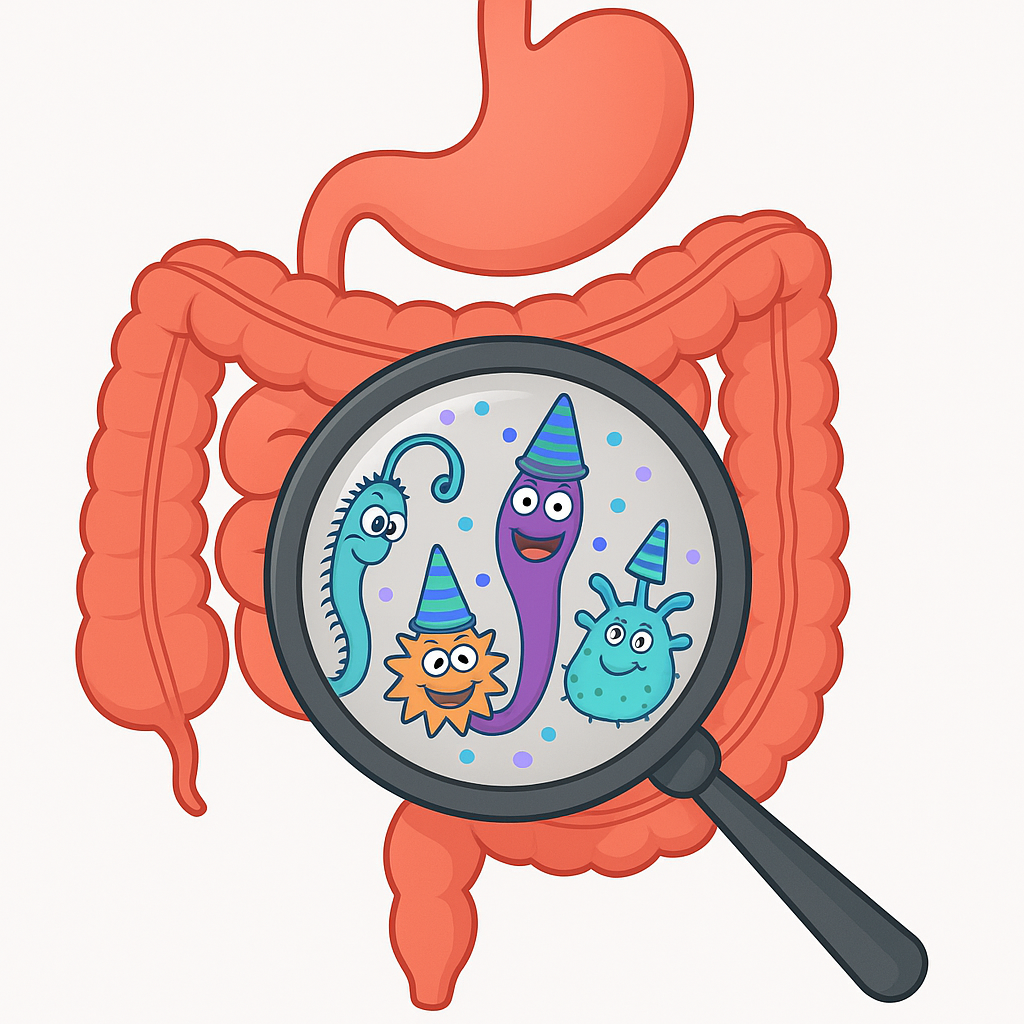
Detoxification is a real team effort, featuring the hard-working liver and kidneys .Working closely with the colon, urinary tract and skin, they release enzymes that break down toxins ,then filter and excrete them from the body .Some toxins are eliminated as stool ,while some are sent to the liver for conversion to safer ,water -soluble forms. The liver sends them into the bloodstream, where the kidney escorts them out of the body as urine. Toxins can also be excreted through sweat.
Detox Pathway Dysfunction
Like any team process, success depends on everyone doing their part. If the liver function is weakened, toxins may not be properly neutralized. If the kidneys are not at their best ,they may not be able to remove toxins through urine. And if colon function is compromised, toxins may remain for too long in the body before removal. In this delicate balance, any detoxification can result in toxins sticking around long enough to damage organs, cells and DNA.
Genetics Impact Detoxification
Genetics play a strong role in how well our bodies detoxify. Detoxification involves three main stages, and genes that impact each stage have been identified. Depending on your genetic profile, you could be great at neutralizing toxins, but less efficient at excreting them from the body. Or vice versa.
7 Ways you can support your body’s detoxification
When we give our body the tools and resources it needs to do the job. Here’s how!
1. Reduce your exposure to toxins
The fewer the toxins you absorb into your body, the easier detoxification will be. Try these strategies to stay toxin-free:
- Eat organic as often as possible
- Reduce your use of plastics
- Use natural care products
- Use natural cleaning products
- Clean up your air
2. Eat daily detox foods
Your body detoxes daily-why not provide daily detox support through your diet? The following foods can help support your liver, increase antioxidant levels and bind toxins for quick removal:
- Berries eg blueberries ,raspberries,strawberries and blackberries
- Green Tea
- Turmeric
- Pomegranate
- Flax seeds
- Brassicaceae family – greens like broccoli, Brussel and kale.
3. Take Antioxidant Supplements
Glutathione – is called the ‘master anti oxidant’ with good reason, it neutralizes free radicals and toxins produced within the body. It is also known for its ability to remove environmental toxins from the body, and low Glutathione levels have been linked to many chronic and autoimmune diseases. Our bodies produce glutathione naturally but additional supplementation in oral, inhalant, topical or IV form can help to improve the function of the body’s detox pathways.
Resveratrol-known as the compound in red wine that good for heart health, resveratrol’s powerful antioxidant action helps to rid the body of free radicals and supports other antioxidant enzymes.It can decrease the volume of toxins in our body created during metabolic processes, and increase the excretion of toxins. This also reduces cancer risk by slowing the reproduction of cancer cells including breast, prostate and colon cancer.
4. Reboot with a seasonal cleanse
For centuries many cultures have integrated seasonal fasting into their traditions.It can be as easy as eating clean, light foods that are easily digested for 1-2 weeks a few times a year. Avoid all sugar, alcohol, gluten and dairy. Get lots of sleep, drink lots of filtered water and reduce stress during this period.
5. Get into intermittent fasting
Intermittent fasting means restricting the times you eat during the day to 8 – 10 hours. This gives your body a break from heavy digestive activities, frees up energy for the body to focus on detox functions .Different IF schedules work best for different people, so be sure to connect with your healthcare practitioner to determine the schedule that is best for your body.
6. Enhance Elimination
How can off-the shelf detox kits turn you into a hot mess of irritability ,headaches and brain fog? They may help you get toxins out of your cells but not help you excrete it. Here’s how to encourage toxins to leave the body quickly:
- Stay hydrated
- Increase your fiber intake
- Try skin brushing
- Sweat more
- Get proper sleep
7. Seek out Professional Detox Support
Working with a healthcare practitioner means undergoing a complete history and functional testing that will allow you to target the organs and systems that need the most support. Professional detox support options can include IV infusions, colon cleansing, herbal or homeopathic medicine or professional grade supplements.
Are you ready to get toxins out of your life safely and effectively? We can help ,so let’s meet to see how well your detox pathways are functioning. Together we can come up with a treatment plan including key supplements and lifestyle recommendations. Let’s meet and discuss how we can help you be your best, toxin-free self.
References
Aggarwal BB,Bhardwaj A,Aggarwal RS,Seeram NP,Shishodia S,Takada Y.Role of resveratrol in prevention and therapy of cancer: preclinical and clinical studies. Anticancer Res. 2004;24(5A): 2783-2840
Chaix,A. et al. Time -Restricted Feeding Is a Preventative and Therapeutic Intervention against Diverse Nutritional Challenges. Cell Metabolism 2014 Dec;2(6):991-1005
Cline JC.Nutritional aspects of detoxification in clinical practice. Altern Ther Health Med. 2015;21(3):54-62
Share